
Full guide
Annapurna Base Camp Trek
Annapurna Base Camp (ABC) is one of the rare Nepal treks that feels like a story with a clear ending. You start in lived-in valleys with farms and stone villages, climb through forest and bamboo, then finish inside the Annapurna Sanctuary: a natural amphitheater ringed by big peaks.
It is not the highest trek in Nepal, and that is part of the appeal. You still reach 4,130 m at base camp, which is high enough to feel Himalayan altitude, but the logistics stay simple and the time commitment is manageable from Pokhara.
Quick Overview
| Detail | Information |
|---|---|
| Duration | 7 to 12 days (most people choose 8 to 10) |
| Maximum altitude | 4,130 m (Annapurna Base Camp) |
| Difficulty | Moderate (lots of stone steps) |
| Best seasons | Spring (March to May), Autumn (September to November) |
| Start options | Ghandruk/Kimche, Jhinu Danda, Nayapul (varies by road access) |
What Makes ABC Special
ABC is not just a viewpoint trek. The final approach delivers a strong sense of arrival because the mountains close in around you. On clear mornings you can see Annapurna I (8,091 m), Annapurna South, Hiunchuli, and Machhapuchhre (Fishtail) stacked around the sanctuary.
The other thing people remember is the speed of landscape change. In a few days you go from terraced hills and warm valleys to a glacial basin with a completely different feel.
Where It Is and How You Get There
The trek sits inside the Annapurna Conservation Area in north-central Nepal.
Most trips flow like this:
Kathmandu -> Pokhara -> trailhead (jeep/road transfer) -> trek -> return to Pokhara.
Roads now reach deeper into the region than they used to. That can shorten the first day or two, but it also means some lower sections feel more like rural road walking. If you care about a more traditional feel, starting via Ghandruk/Kimche often helps.
What The Trek Is Actually Like
Expect a lot of up-and-down. The hardest part for many trekkers is not altitude; it is repeated stone stairs around Chhomrong and the steady climbing above Bamboo.
Tea houses are spaced closely enough that you rarely feel stranded. Higher villages are colder and more basic, and prices rise with altitude.
Above Deurali the landscape changes quickly. Vegetation thins, the valley narrows, and the mountains begin to dominate the horizon. Machhapuchhre Base Camp (MBC) feels like the doorway into the sanctuary. From there, ABC is not far, but the views make it feel like a finale.
Route Overview
A common ABC route looks like this:
Pokhara -> Ghandruk or Jhinu Danda -> Chhomrong -> Sinuwa -> Bamboo -> Dovan -> Deurali -> Machhapuchhre Base Camp -> Annapurna Base Camp -> return via the same valley -> Jhinu Danda -> Pokhara.
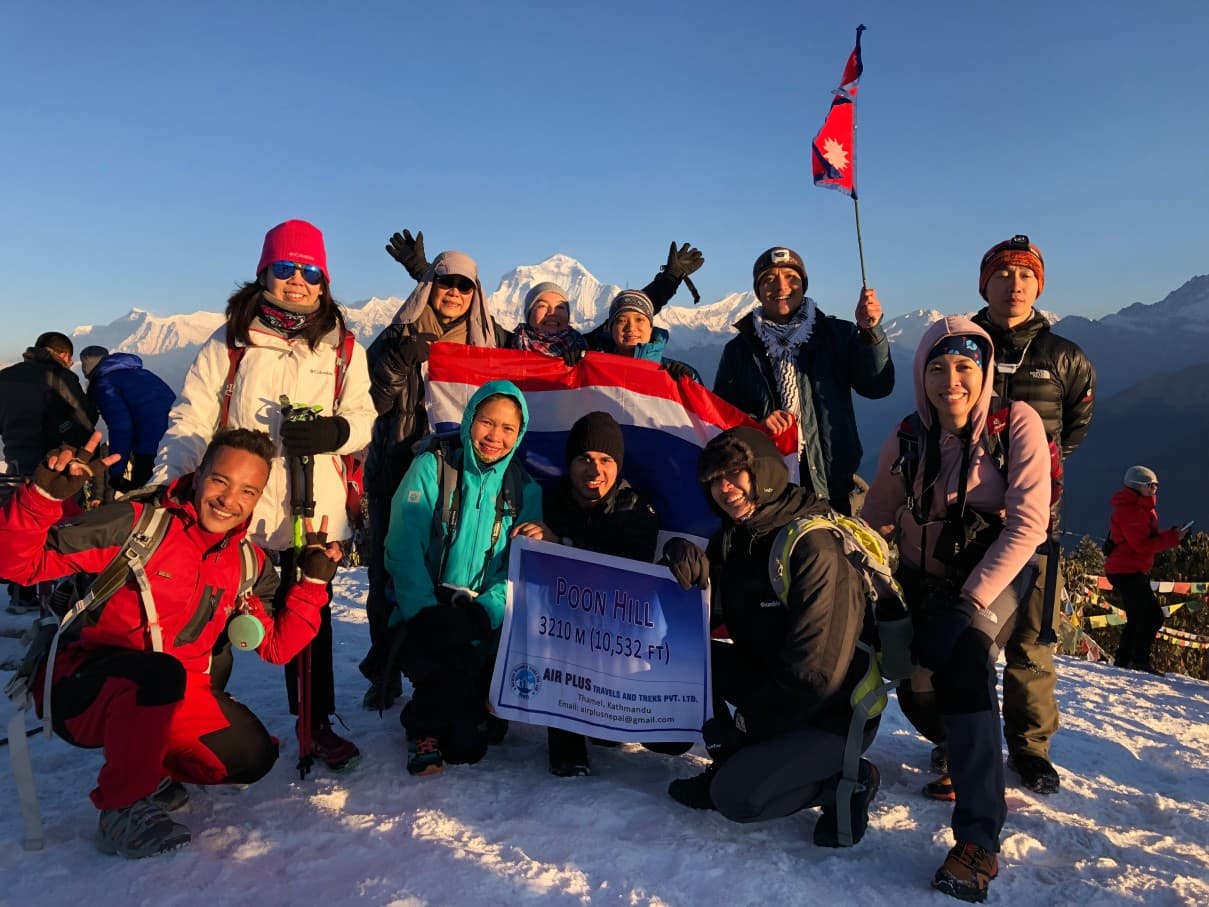
Some itineraries add Poon Hill, Landruk, or extra village nights. Those changes can make the trek quieter and more scenic early on.
Suggested Itinerary (8 Days From Pokhara)
Day 1: Pokhara to Ghandruk (or Chhomrong area)
Drive and trek
Highlights: village views, first big mountain panoramas
Day 2: Ghandruk to Chhomrong
Highlights: terraced hillsides, Annapurna South views
Day 3: Chhomrong to Bamboo
Highlights: forest sections, river crossings, a steady rhythm day
Day 4: Bamboo to Deurali
Highlights: bamboo and rhododendron zones, the valley tightening as you climb
Day 5: Deurali to Annapurna Base Camp (via MBC)
Highlights: MBC, entering the sanctuary, evening light on the peaks
Day 6: ABC to Bamboo
Highlights: sunrise at ABC, long but satisfying descent
Day 7: Bamboo to Jhinu Danda
Highlights: hot springs (time and energy permitting)
Day 8: Drive to Pokhara
Relax day in Pokhara
Best Time To Go
Spring (March to May)
Warmer days and rhododendron blooms. Mornings can still be cold above Deurali.
Autumn (September to November)
Clearer skies are common after monsoon. This is peak season, so tea houses can fill up.
Winter (December to February)
Great visibility and fewer people, but colder nights and occasional snow can slow the upper section.
Monsoon (June to August)
Lush valleys, but expect rain, clouds, and leeches lower down. Flight and road disruptions are more likely.
Accommodation
ABC is a teahouse trek. Rooms are simple: twin beds, blankets, and shared bathrooms in many places. Dining halls are the social center, especially at higher stops where it is cold outside.
Food On The Trail
Menus are similar across villages. Good staples include:
Dal bhat
Soups and noodles
Fried rice
Eggs, potatoes
Tibetan bread and simple breakfasts
Dal bhat is popular because it is filling and consistent day after day.
Culture and Local Life
Lower villages are strongly influenced by Gurung and Magar culture. You will see traditional stone houses, farming terraces, and village life that continues alongside trekking tourism.
A little etiquette goes a long way: ask before photographing people, and keep clothing modest in villages.
Things To Know Before You Go
The highest sleeping elevation is 4,130 m.
Weather changes quickly; carry rain and warmth even in good months.
Walking days are typically 4 to 7 hours.
Carry cash; ATMs are not reliable on the trail.
Practical Tips
Start early. Views are usually best in the morning.
Use trekking poles from day one; the stairs add up.
Drink consistently and eat enough. Fatigue makes the stairs feel worse.
Keep one buffer day in your overall plan if you have flights to catch.
Packing Basics
Layered clothing and a waterproof shell
Warm hat and gloves
Trekking poles
Sun protection
Water purification (tablets or filter)
Power bank
Well-tested boots
Safety and Responsible Trekking
Altitude issues are less common than on higher routes, but they still happen. If symptoms worsen, descend. Insurance that covers trekking and evacuation is strongly recommended.
Support the region by hiring local guides/porters when you can, and minimize waste: carry a reusable bottle, avoid single-use plastics, and take litter out.
Final Thoughts
ABC earns its popularity. It is efficient, scenic, and emotionally satisfying: you do not just see the mountains, you walk into them. If you want a Himalayan trek that fits into a normal travel schedule without feeling watered down, Annapurna Base Camp is one of the best choices in Nepal.